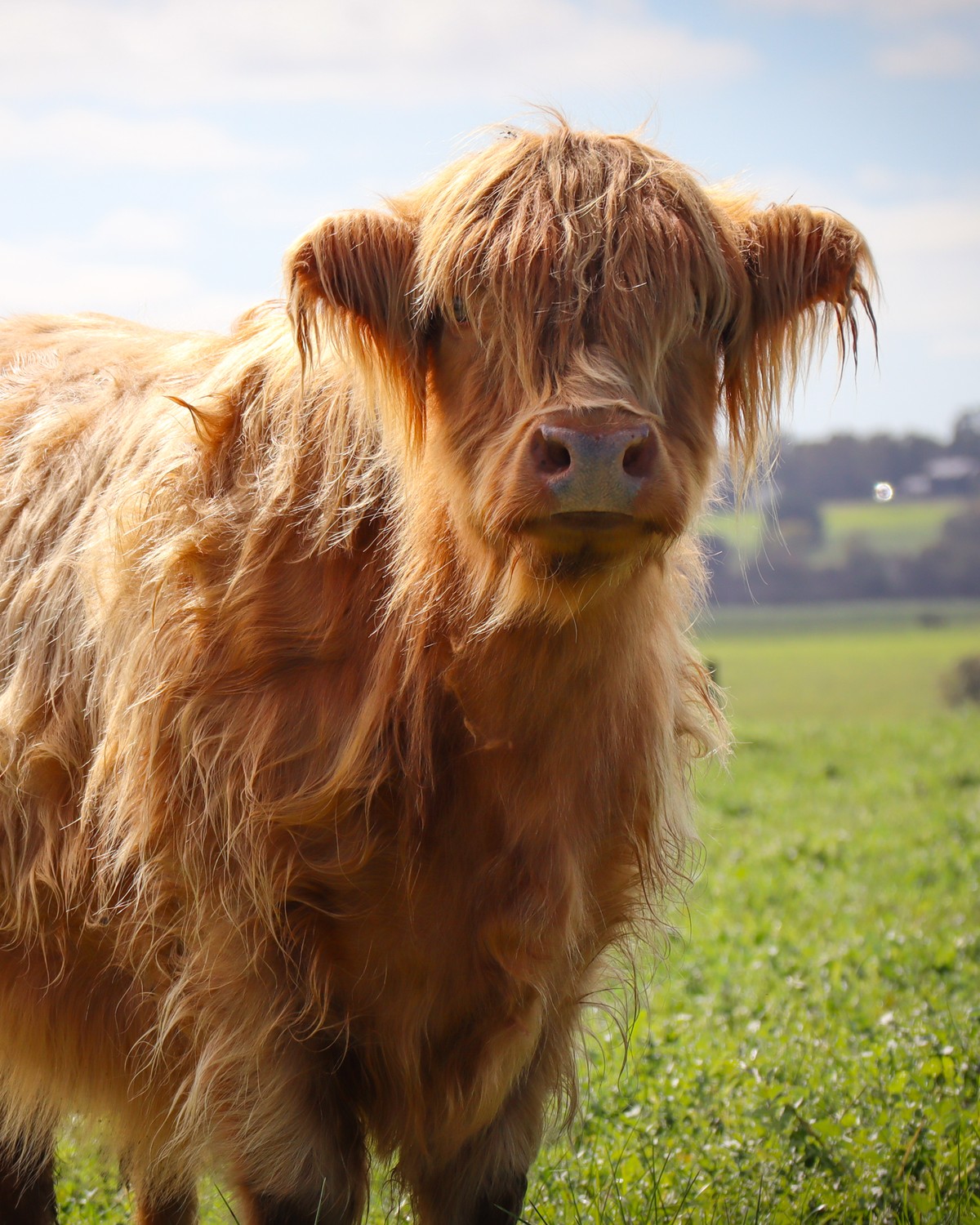
How much land do I need?
Around one to two acres per head as a starting point in reasonable coastal Victorian pasture, and more again if your rainfall is unreliable or your country is rougher than that. In practice, fencing, water and shade limit people long before acreage does — you can keep cattle well on a small block, but not without those three.
Can I keep just one?
No, and we won't sell one into that situation. Cattle are herd animals — a lone animal bellows, paces fences, and is harder and less safe to handle. Two is the minimum, and two steers are the easiest way to start.
Do Highlands cope with Australian heat?
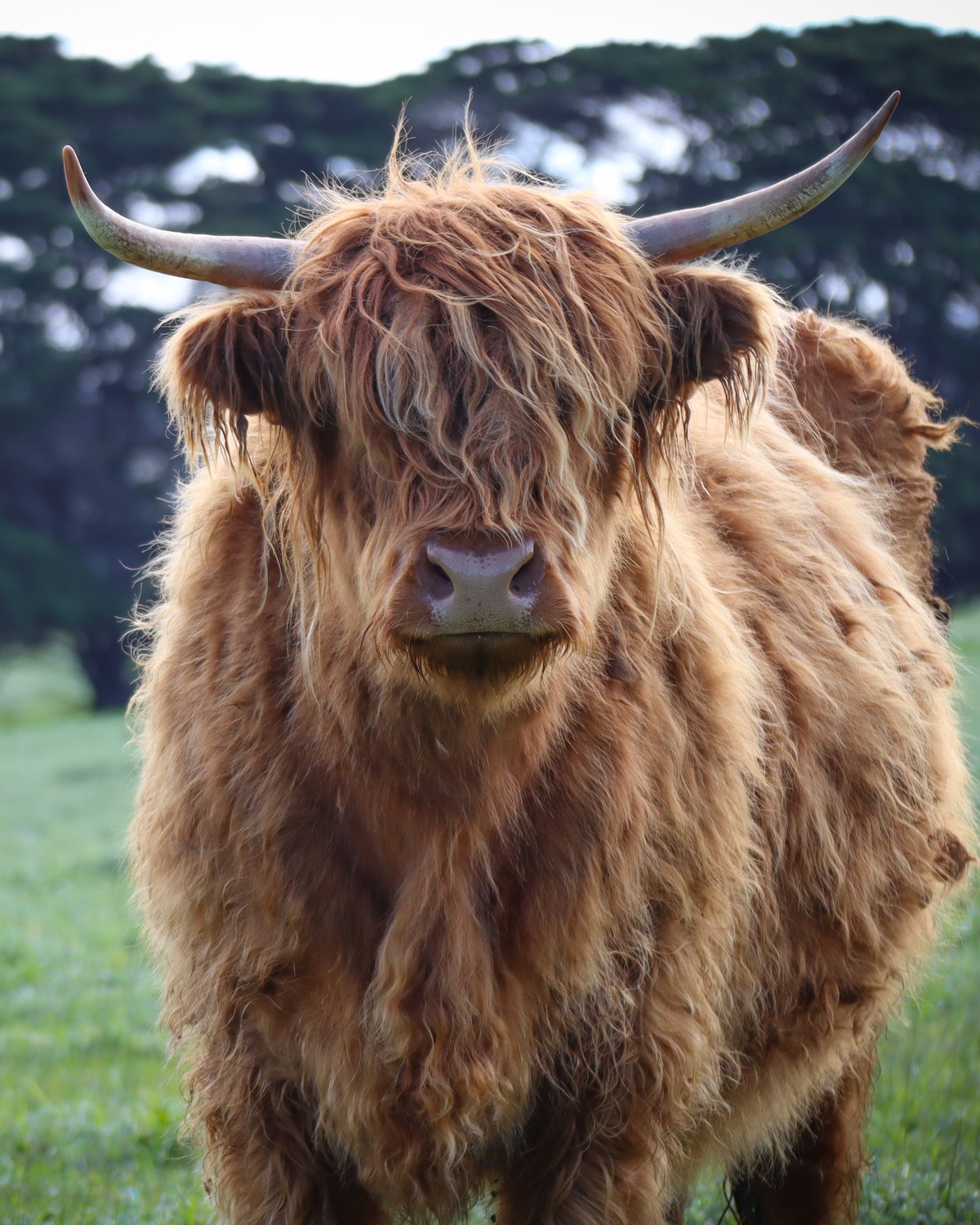
In most of southern Australia, yes — with real shade and reliable water. They shed the undercoat over summer and look like a different animal by January. In sustained heat and humidity we'd think carefully and tell you honestly.
What does a Highland cost?
Registration status is the single biggest driver of price, then sex, then temperament and handling. Steers sit at the bottom, unregistered heifers above them, and registered breeding stock well above that again. Rather than quote a figure that will be out of date by the time you read it, have a look at what Highlands have actually made at recent sales and in current listings. Then budget separately for transport, fencing and summer hay.
What's the difference between registered and appendix?
Registered means recorded with a breed society, with a number and a pedigree you can transfer. Appendix means bred up toward full-blood and recorded by percentage. Both are legitimate; describing an appendix animal as simply "registered" is not.
Do I need a PIC number?
Yes, before the animals arrive rather than after. It identifies the property where livestock are kept, it's free or close to it, and you apply through your state department. We walk every buyer through it.
Are the horns dangerous?
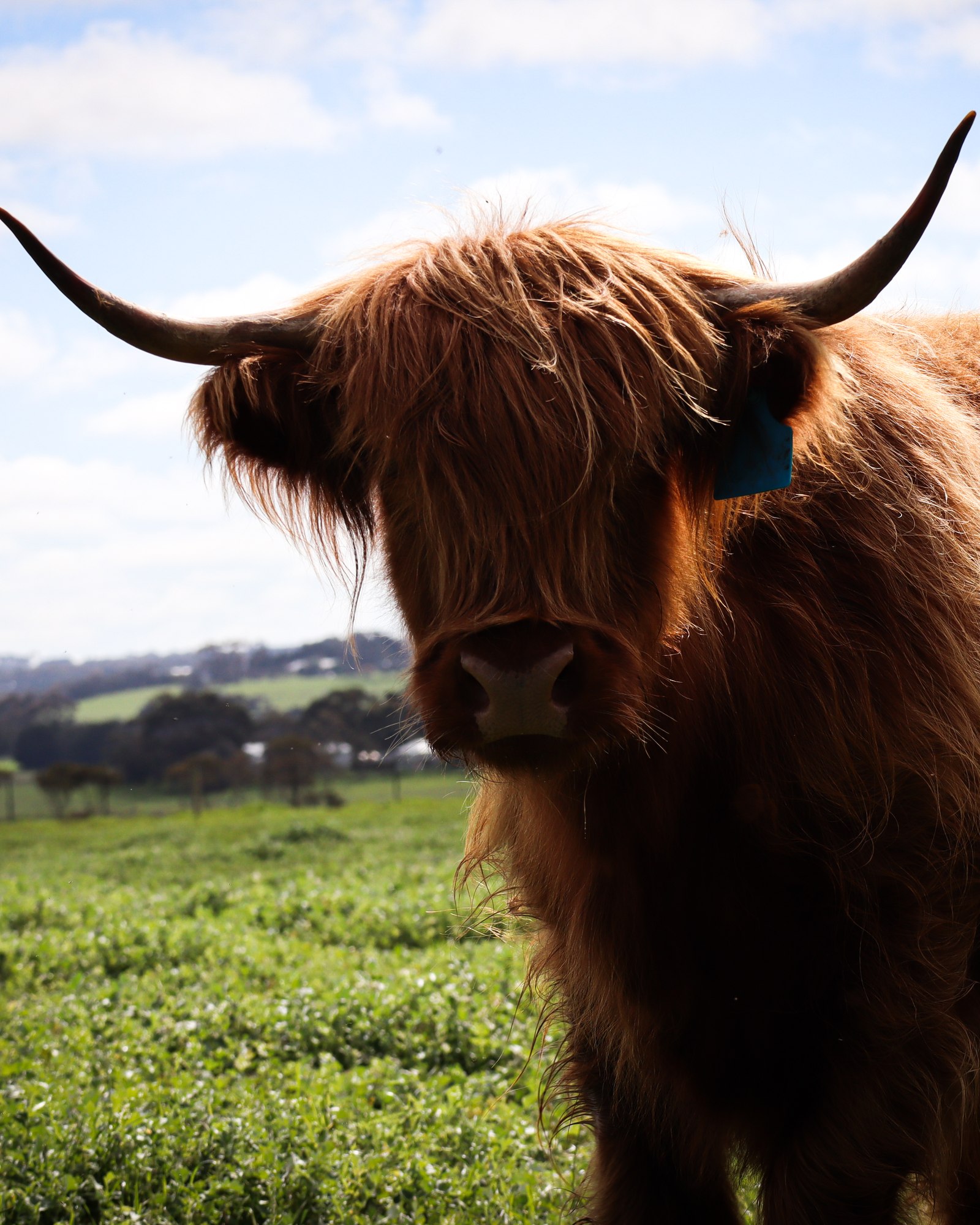
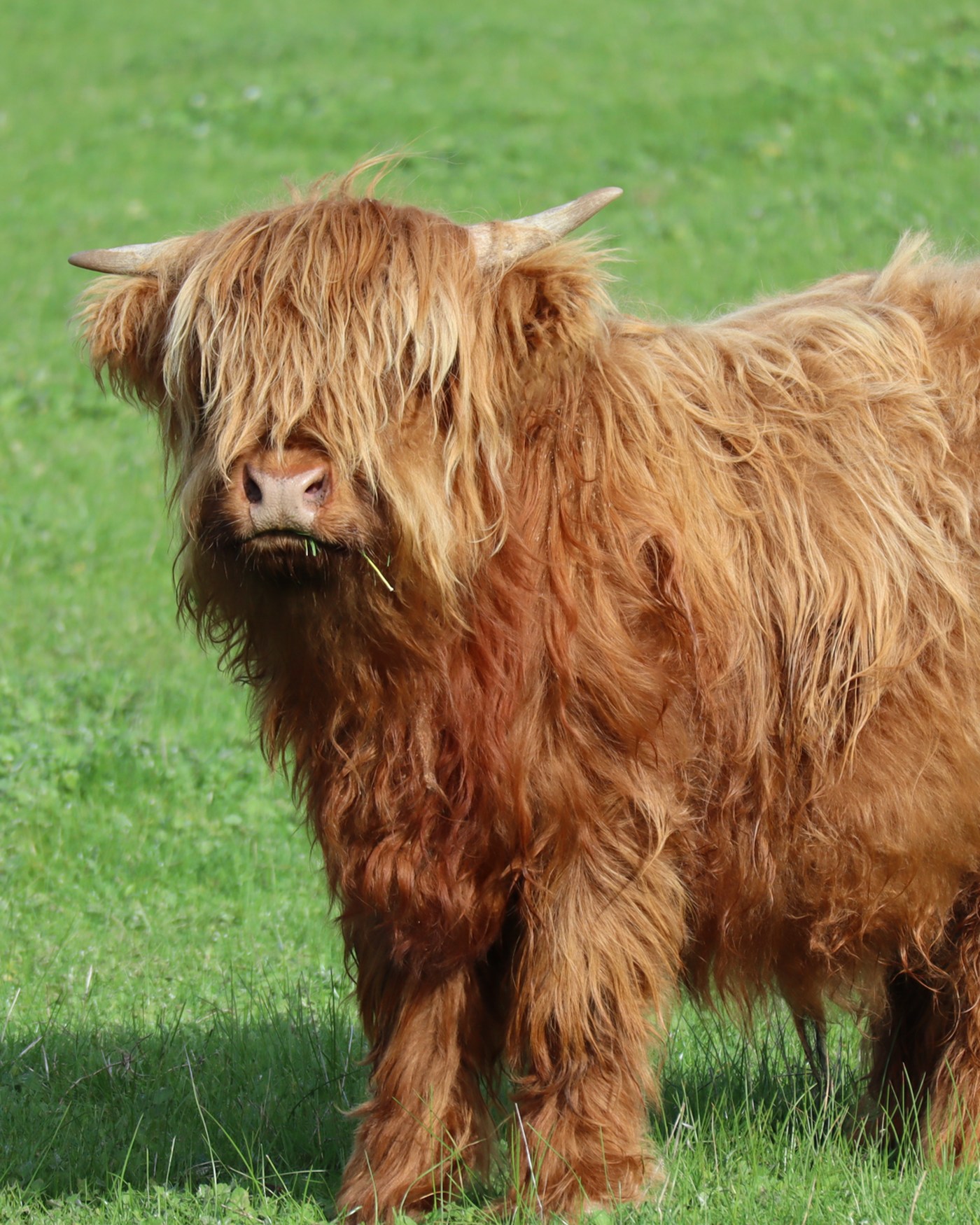
A well-handled Highland is calm and the horns aren't the risk — fear is. What horns do change is your feeders, gates and float, all of which need sizing for them. If you're nervous or have small children, polled is a sensible choice.
What is a HighPark?
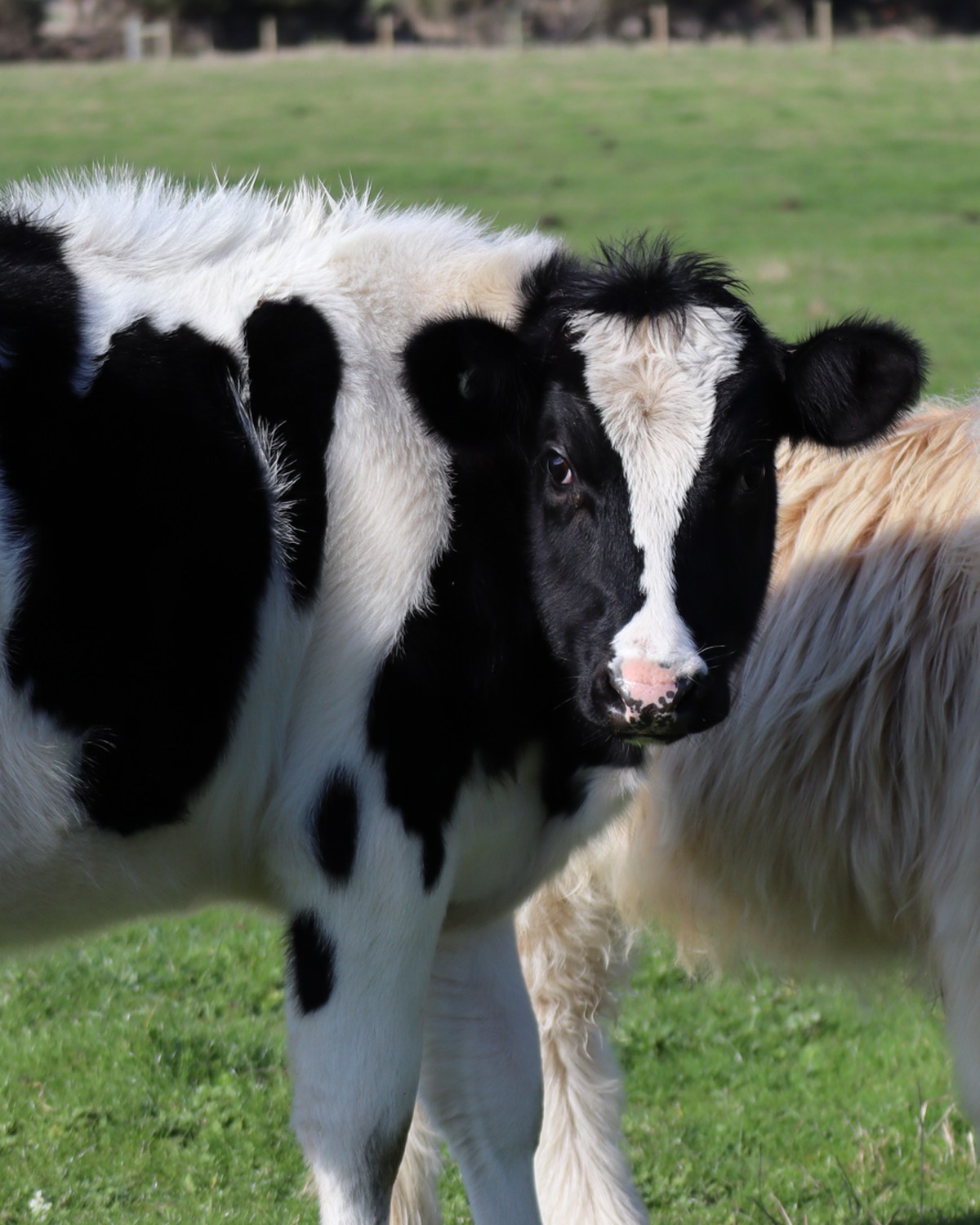
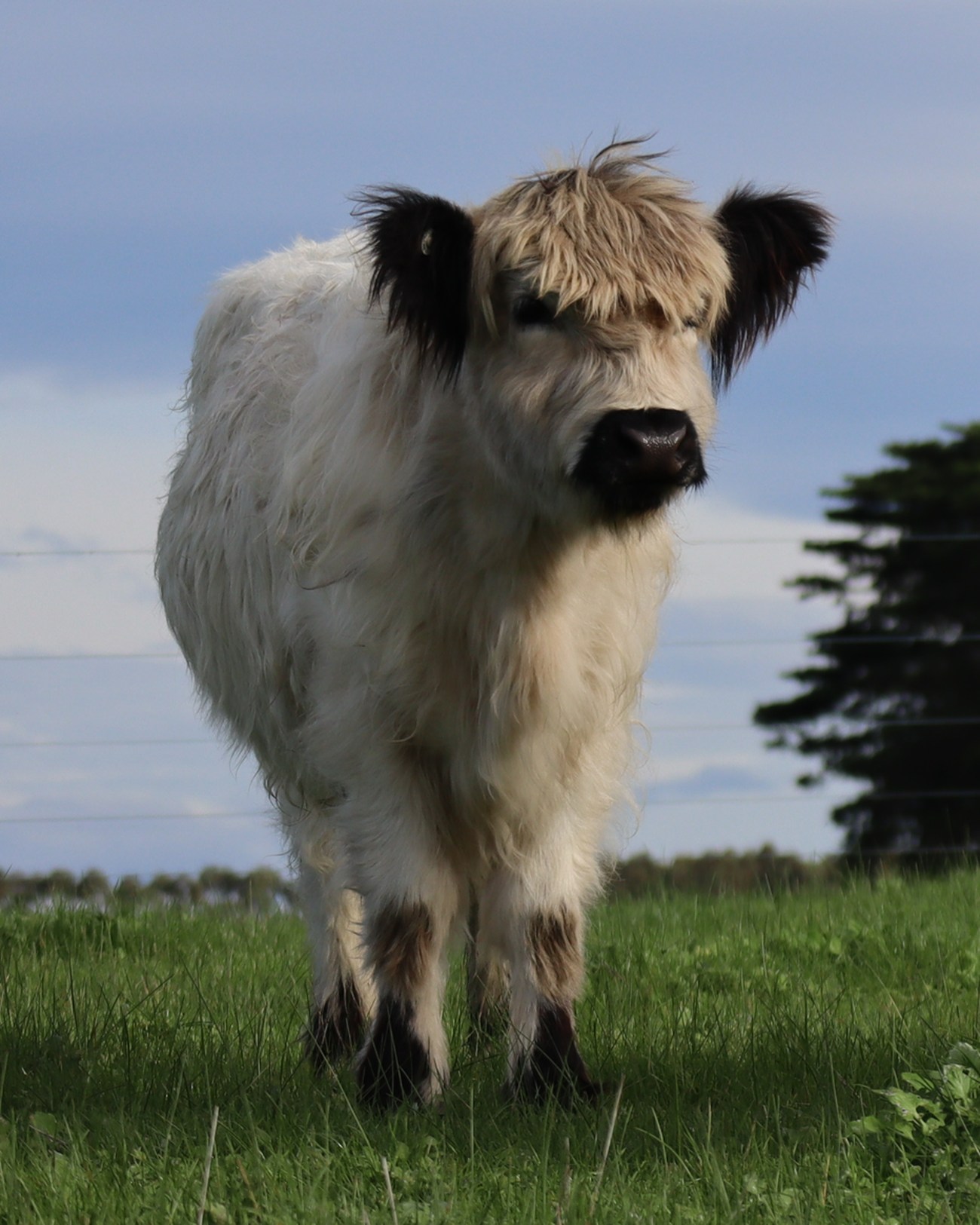
A Highland-coated animal with a white body and coloured points on ears, muzzle, eyes and feet. Overseas that comes from White Park; in Australia the pattern usually arrives via White Galloway, British White or a white-park-patterned Speckle Park. It's the pattern that makes a HighPark, not one particular cross — and there's no Australian association, so we state the actual breeding on every animal.
Do they need a shed?
No. Given a shed and rain, a Highland will often choose the rain. What they want is a windbreak and, more importantly, somewhere dry to stand — mud is far harder on them than cold.
How long do they live?
Highlands are famously long-lived — cows commonly breed into their teens and often live beyond twenty. That longevity is part of the appeal and part of the commitment: this is a fifteen-to-twenty-year animal.
What do they eat, and will I need hay?
Pasture, mostly — they're efficient and will hold condition on rough feed. But efficient isn't self-sufficient. Budget for hay through late summer, and work the amount out rather than guess it: a cow eats roughly 2 to 2.5 per cent of her bodyweight in dry matter a day, so a 500kg Highland is 10 to 12kg. Over a three-month feed gap that's about a tonne a head — call it three or four round bales, or fifty-odd small squares, depending on what your bales actually weigh. Buy it in November rather than January.
How well handled are they when I get them?
Everything that leaves here is handled daily and worked in the yards — used to being moved, drafted, having feet and heads handled, and walked onto a float. Some animals are halter trained as well, but that is done case by case rather than as a blanket promise, and we will tell you plainly where a particular animal is up to. Yard handling is the part that matters most day to day: vet visits, hoof trimming and loading are all straightforward with a calm animal and genuinely dangerous without.
What fencing do I need?
A well-strained five or six-wire fence does the job for cattle, plain wire or with a hot wire, and ringlock with a top wire works too. Cattle are far easier to contain than goats, but horns mean anything they can put their head through needs sizing properly. Sort fencing before they arrive — the first escape teaches a lesson that's hard to un-teach.
Steer, heifer or cow — which should I start with?
Two steers if you want the animals without the complications: no breeding decisions, no calving, cheaper to buy. Two heifers if you intend to breed eventually. A cow with a calf at foot is a lovely thing and a bigger first step than most people realise.
Can you transport interstate?
Yes. We work with Andrew's Specialized Livestock (0448 423 977) and Horse Transport Australia, and can quote. Western Australia has extra requirements and longer lead times — we've done it and we'll walk you through what's involved rather than leaving you to work it out.
Do miniature Highlands exist?
Smaller-framed Highlands exist and are sought after, but "miniature" is used loosely and isn't a separate registered breed here. Ask for the actual measurement and the parents' sizes rather than relying on the word.
Will the colour change as they grow?
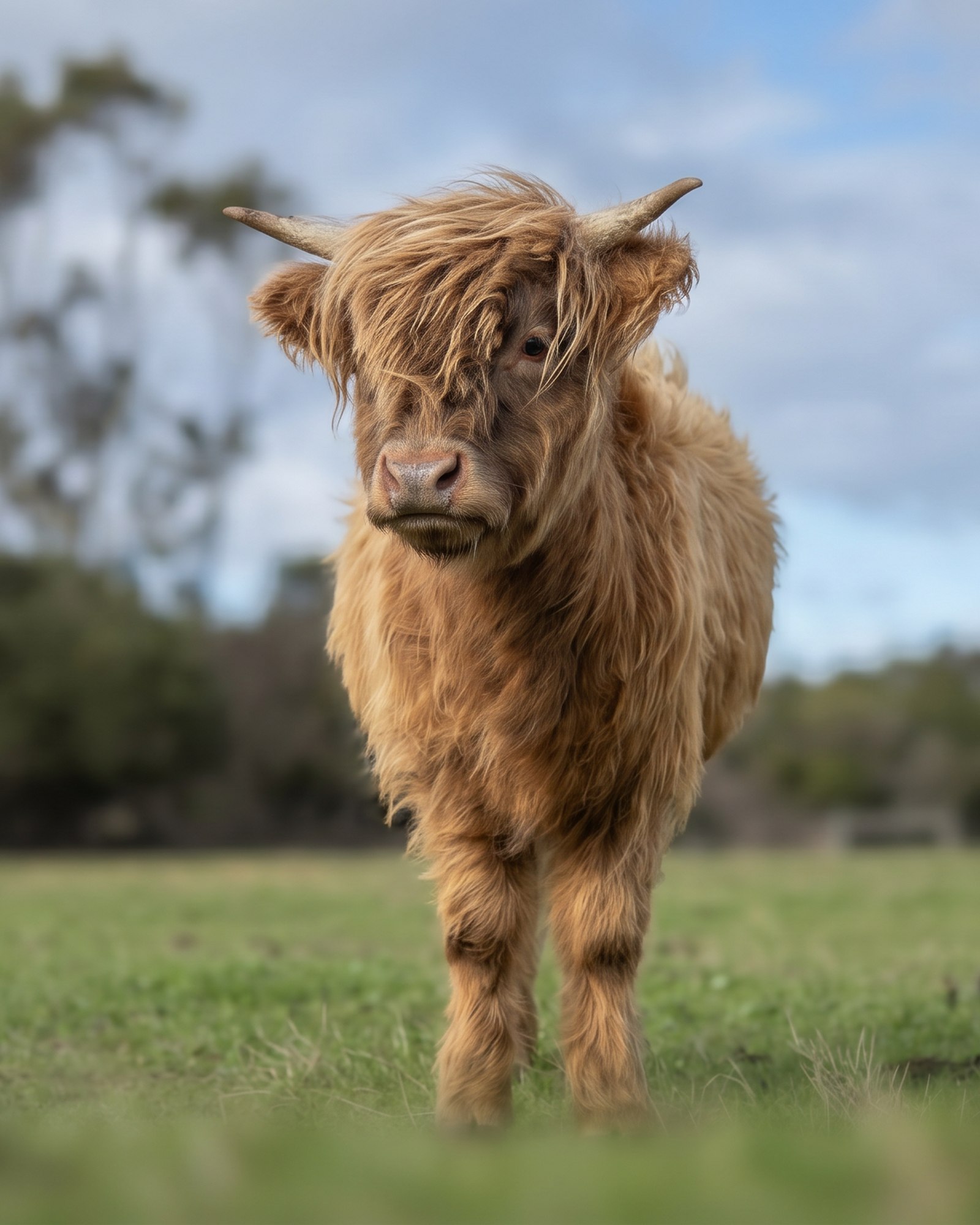
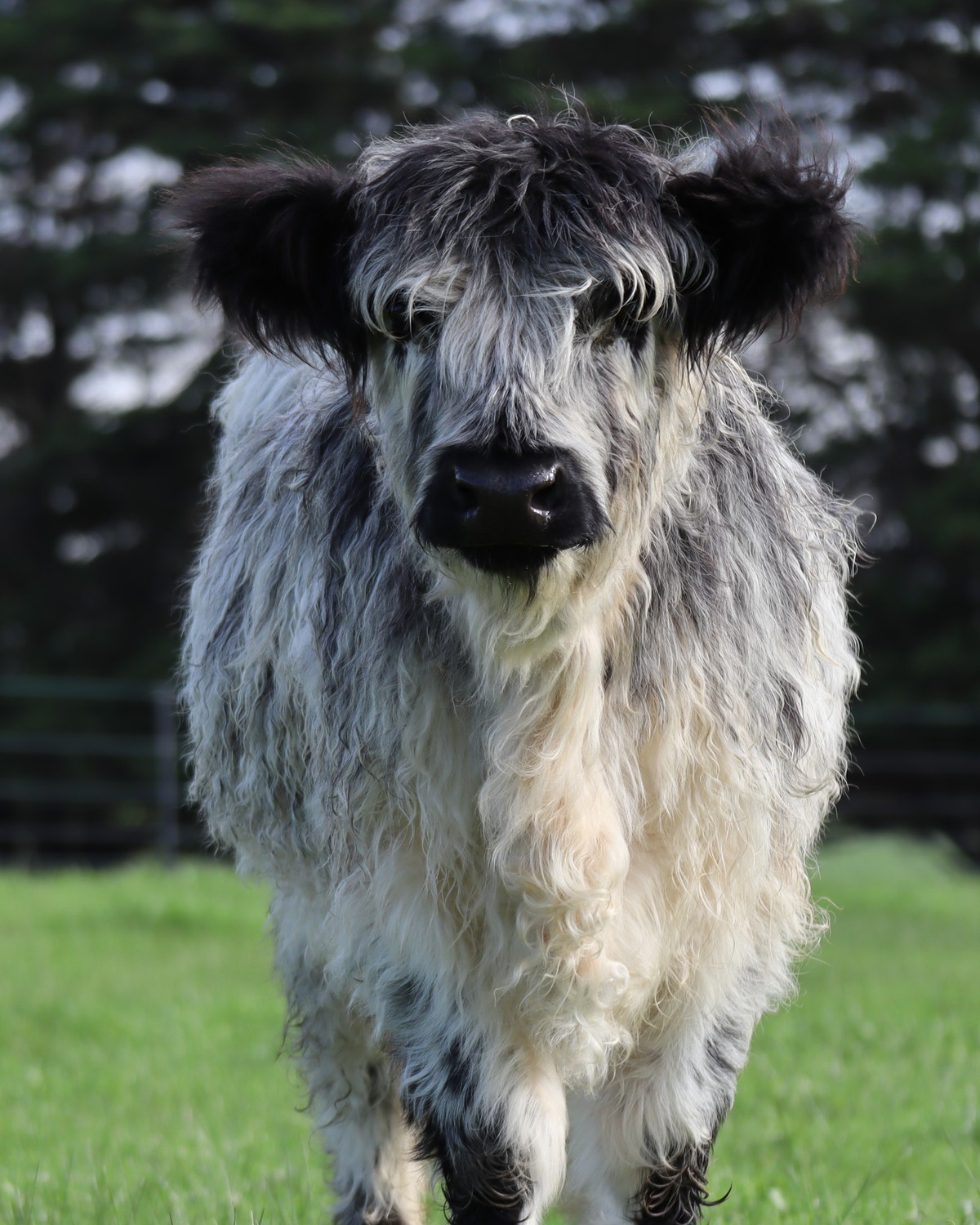
Often, markedly — silvers and duns especially can shift a lot in the first two years. Buy the animal in front of you, not the photograph of it at six months old.
What routine health care do they need?
Set your drenching and vaccination program with your own vet, for your own district. Worm burden, which clostridial vaccines matter and what else is about locally vary enough that a schedule copied off a website isn't worth much. Hooves get checked and trimmed when they need it rather than to a calendar. Highlands are hardy and low-maintenance, but low-maintenance means a rhythm rather than nothing. Condition-score by hand monthly — a full coat hides weight loss completely.
Can I visit before I buy?
By arrangement — we're a working family farm and there are biosecurity reasons to be careful. A video call is often more useful anyway, and we'll happily walk you around the paddock on camera.
How do I get on the VIP waitlist, and what does it commit me to?
Tell us what you're after and roughly when. Nothing — it's free and non-binding. Most of our calves are spoken for before they appear in the catalogue, so the list is genuinely how people hear first.